We use cookies to enhance your experience. Essential cookies are required.
Eye Protection 101: A Practical Guide to Workplace Safety
Workplace eye protection encompasses many different styles and features. Find the best materials, lens options, and more for your workforce with Magid!
Read More
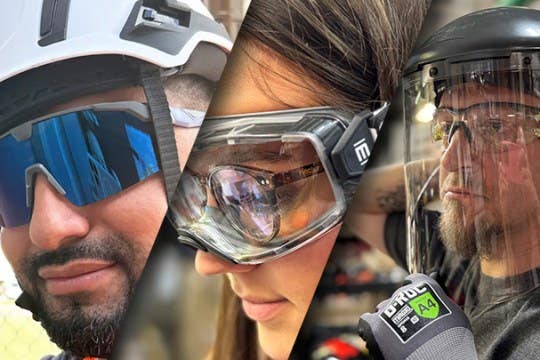
Eye protection is a critical component of workplace safety across a wide range of industries. From manufacturing and construction to laboratories and field service environments, workers are frequently exposed to hazards such as flying debris, chemical splashes, dust, and harmful light radiation.
Proper eye protection is not just about compliance, it directly impacts injury prevention, productivity, and long-term vision health. Understanding the types of protection available, the standards that govern them, and key features that enhance performance help ensure the right product is chosen for each application.

Understanding the Types of Eye Protection
Eye protection should always be selected based on the specific hazards present in the environment.
Safety Glasses
Safety glasses are the most commonly used form of eye protection. They provide basic protection against impact hazards and should always include side shields or integrated side protection to guard against lateral debris.
These are ideal for general-purpose applications where risk is present but not extreme.
Safety Goggles
Goggles provide a higher level of protection by forming a secure seal around the eyes. They are best suited for environments with:
- High-impact risks
- Dust or airborne particles
- Chemical splash hazards
Because of their enclosed design, goggles prevent contaminants from entering from any angle.
Face Shields
Face shields are a secondary form of eye protection and should always be paired with primary eye protection like safety glasses or goggles. They are essential in situations where hazards extend beyond the eyes to include the face, such as:
- Chemical handling
- Grinding or cutting operations
- High-splash environments
Materials Matter: Lens & Frame Construction
The performance and durability of protective eyewear largely depend on the materials used.
Lens Material
Polycarbonate is the industry standard due to its high impact resistance and lightweight characteristics.
Frame Construction
Frames are often designed for both durability and comfort:
- Single-shot construction: Made from one material such as nylon or polycarbonate
- Dual-shot construction: Combines materials like nylon, polycarbonate, and TPR (thermoplastic rubber) or silicone for improved flexibility, grip, and comfort
Key Safety Standards You Need to Know
The performance and durability of protective eyewear largely depend on the materials used.
Core Impact Standards
- ANSI Z87.1: Basic impact protection (drop ball test)
- Z87+: High-velocity impact protection (projectile test)
Performance Markings
- U (UV Protection): Indicates the level of ultraviolet filtering (U1–U6 scale)
- X (Anti-Fog): Premium anti-fog performance—lenses must remain fog-free for a specified time
- L (Visible Light Filter): Measures how much visible light passes through the lens
Task-Specific Requirements
Certain environments require specialized protection:
- D3: Protection against splashes and droplets
- D4/D5: Dust and fine dust protection
- W: Welding applications
- Z87-2: Prescription safety eyewear
These markings ensure the eyewear is matched to the hazard, not just the general category.
Features & Accessories That Enhance Protection
Fit & Seal Enhancements
Brow guards help seal the gap between the eyewear and forehead.
Gaskets convert safety glasses into a goggle-like seal
- Foam (EVA): Lightweight and flexible
- TPR: More durable and resistant
Adjustability & Security
Ratcheting temples allow users to adjust the lens angle for a customized fit.
Straps keep eyewear secure during high-movement tasks and improve sealing when used with gaskets.
Lens Options for Different Environments
Lens characteristics are just as important as structural features. Different environments require different visual properties:
Clear Lenses
General indoor use

Gray Lenses
Outdoor use with glare reduction

Amber Lenses
Enhanced contrast in low-light conditions
Indoor/Outdoor Lenses
For workers who frequently alternate between dim indoor areas and bright outdoor environments
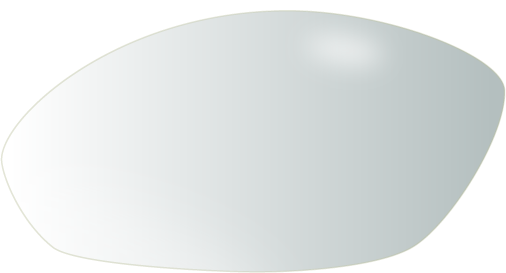
Photochromic Lenses
Automatically adjust to light levels
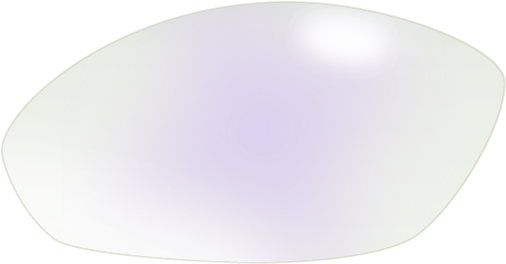
Polarized Lenses
Reduce glare from reflective surfaces
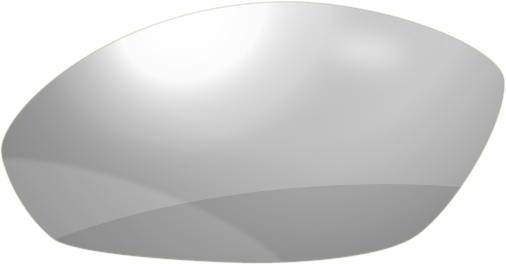
Mirror Coatings
Reflect intense light

Infrared (IR) Lenses
Protects your eyes from invisible, high-intensity infrared radiation and heat
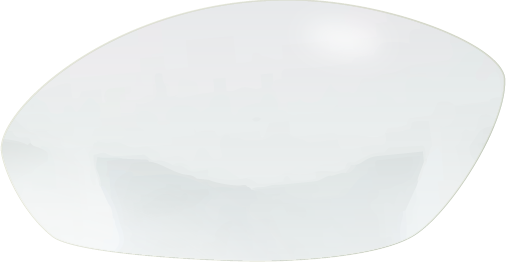
Diopters (1.0–3.0)
Provide magnification for detailed tasks
Selecting the right eye protection requires more than choosing a basic safety glass. It involves understanding the hazards, matching the correct type of protection, ensuring compliance with safety standards, and leveraging features that improve fit and usability.
By taking a thoughtful, informed approach, organizations can significantly reduce the risk of eye injuries while improving worker comfort and performance—ultimately driving better safety outcomes across the board.