We use cookies to enhance your experience. Essential cookies are required.
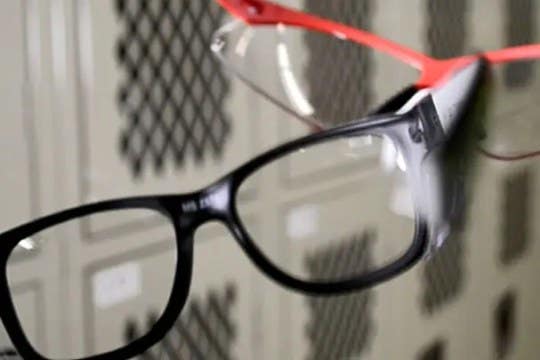
How Bad Prescription Safety Eyewear Leads to Productivity Loss
Poorly fitted or fogging prescription safety eyewear can quietly slow cycle times and increase error risk by reducing visual clarity during precision work. A managed prescription safety eyewear program helps standardize fit, lens selection, and wear practices.
Read More
By Kyle Schmoyer, Safety Writer, Magid
Key Takeaway:
Poorly fitted or fogging prescription safety eyewear can quietly slow cycle times and increase error risk by reducing visual clarity during precision work. A managed prescription safety eyewear program helps standardize fit, lens selection, and wear practices. When vision improves, productivity, consistency, and safety often improve with it.
What is a managed prescription safety eyewear program?
A managed prescription safety eyewear program puts the employer in control of how vision correction and eye protection work together on the job. Instead of leaving workers to figure it out on their own, the company sets clear standards and a simple process. That structure ensures every employee who needs corrective lenses receives safety eyewear that fits properly, meets ANSI requirements, and matches the specific hazard.
In practice, a managed program covers the full lifecycle. It starts with confirming job hazards and defining approved frame and lens options. It includes clear ordering steps, fit support, replacement guidelines, and basic tracking so managers know who has what and when it needs renewal. The goal is consistency.
When companies don’t manage the process, gaps appear. Some employees receive reimbursement. Others pay out of pocket. Many rely on over-the-glasses options that pinch, fog quickly, and shift during the workday. Over time, that inconsistency shows up in comfort complaints, reduced use, and uneven protection. But structure alone does not explain the slowdown many teams accept as normal, we need to look at what poor vision actually does to work.
How do safety eyewear fogging, distortion, and pressure points slow work?
Fogging may seem like a minor irritation, but it directly affects how well a person can see and respond. Research found that lens fogging significantly reduces visual detection performance. When lenses fog, the eye struggles to pick up detail quickly. Additional research also found that as fogging increases, recognition speed slows down.
That delay matters most in tasks that depend on precise hand and eye coordination. Fine motor work relies on fast, accurate visual feedback. A recent study measured completion time and error rates on basic tasks like peg placement and needle threading. The researchers found clear links between visual performance and both speed and accuracy. When vision quality declined, task time increased and mistakes rose.
Now bring that back to the plant floor. If a worker cannot see clearly through fogged or distorted lenses, they hesitate. They slow their hands. They double-check alignment. Pressure points from poorly fitting frames can also shift eyewear out of position, which forces constant micro-adjustments. Each pause may last only seconds, but over hundreds of repetitions, those seconds accumulate.
What looks like minor discomfort at the start of a shift can quietly turn into measurable lost time and higher error risk by the end of it. When those small slowdowns repeat all shift, the next question becomes what a managed program can do to remove them.
How can a managed prescription safety eyewear program help?
A managed prescription safety eyewear program will not solve every operational issue on your floor. What it can do is remove a daily friction point that many teams quietly tolerate. When workers struggle with fogging, poor fit, or distorted vision, that strain shows up in hesitation, workarounds, and uneven protection. A structured program replaces that inconsistency with clarity and control.
When workers receive clear, comfortable prescription safety eyewear that matches the hazard, behavior shifts. You see fewer workers pulling their glasses down during quick tasks. Visibility-related near misses show up less often in shift notes. Fine motor and inspection-heavy work moves at a steadier pace. Frustration drops, which means wear time improves without constant reminders. Those improvements don’t happen by accident. They result from deliberate structure and clear standards.
A strong prescription safety eyewear program typically includes:
- Confirming hazards and tasks for each area and aligning the review with your PPE hazard assessment under 29 CFR 1910.132
- Developing an ANSI Z87.1 specification that defines approved frames, required side protection, and lens options
- Selecting lens features that match actual work conditions, including anti-fog options for humidity or temperature swings
Once specifications are defined, execution becomes the focus:
- Standardizing ordering across departments or sites
- Clarifying replacement rules so expectations remain consistent
- Maintaining straightforward records so managers know who has what and when it needs updating
At that point, prescription safety eyewear is no longer a recurring complaint. It is a controlled input that supports safety and quality. With the structure defined, the last step is execution across sites, and that’s where a partner like Magid comes in.
How Magid helps teams fix visibility, comfort, and consistency
Magid is more than a PPE supplier. We work alongside safety and operations leaders to solve practical problems that affect real production lines. When prescription safety eyewear causes fogging, discomfort, or inconsistent use, the impact shows up in slower cycle times and avoidable near misses. We help you turn that weak spot into a controlled, measurable advantage.
Our prescription safety eyewear program helps you:
- Standardize ANSI Z87.1 compliant frames and lens options across sites
- Match lens features, including anti-fog performance, to your actual work conditions
- Replace over-the-glasses workarounds with properly fitted Rx solutions
- Simplify ordering, tracking, and replacement so supervisors are not chasing paperwork
- Align eyewear specifications directly to your hazard assessment and high-precision tasks
If your crews still wipe lenses mid-task, remove glasses for quick checks, or rely on inconsistent purchasing practices, it is time to tighten the system. Schedule a prescription safety eyewear program review with Magid today and build a clear, site-wide solution that protects your workers and supports measurable performance on the floor.
FAQ
How do you know if over-the-glasses safety eyewear is hurting productivity?
Warning signs include frequent lens wiping, workers removing glasses for short tasks, repeated label or part verification, and rising rework tied to visual checks. If supervisors hear “I couldn’t see it clearly” in near-miss reports or quality discussions, eyewear may be a hidden contributor to lost time.
What ANSI markings should prescription safety glasses have?
Prescription safety glasses used in hazardous work areas should carry ANSI/ISEA Z87.1 markings on the frame and lenses. These markings confirm the eyewear meets defined impact and performance testing requirements, which helps employers verify compliance with 29 CFR 1910.133.
Can poor-fitting prescription safety glasses increase near-miss risk?
Yes. Glasses that pinch, slide, or distort vision can reduce wear time and cause workers to adjust or remove protection during tasks. Those small behaviors increase exposure to flying object hazards and raise the likelihood of errors during fine motor or inspection work.
How often should employers review their prescription safety eyewear program?
Employers should review their program whenever job hazards change, new processes are introduced, or visibility-related near misses increase. Many organizations also conduct an annual review aligned with their PPE hazard assessment under 29 CFR 1910.132 to confirm eyewear still matches tasks and conditions.
What lens features help reduce fogging in industrial environments?
Anti-fog coatings, proper frame ventilation, and lens materials designed for temperature and humidity shifts can reduce fog buildup. Selecting lens options that match the actual work environment, including cold storage, washdown areas, or high-heat processes, helps maintain visual clarity throughout the shift.
Recommended Posts:
Protect Your Workers from Head Injuries on the Job