We use cookies to enhance your experience. Essential cookies are required.

PPE for Constructing Data Centers: A Mission Critical Safety Guide
Find practical PPE solutions for data center construction, designed to reduce injuries and fatigue while meeting Tier 4 client audit requirements.
Read More
.png)
Safety Training
See All
Effects of Heat Stroke and How Heat Stress Impacts Safety
Unless you’re Superman, you’re not tougher than the sun. Heat stroke happens when the body is overwhelmed and unable to regulate its core temperature due to overheating and loss of fluids and salts. High temperatures, bulky clothing, and a lack of heat acclimatization are just a few factors that can cause a worker to develop heat stroke. But your employees might not realize just how destructive heat stroke can be to their bodies or how simple strategies can help them save a life.
Read More

3 Safety Tips for Respirator Mask Training at Work
Respirators are a worker’s last line of defense against exposure to airborne contaminants and respiratory distress. Read these 3 tips to get everyone on board for respiratory safety and download a free safety training class from Magid.
Read More
By John Heniff, Safety Writer, Magid


According to the Bureau of Labor Statistics, there were 820 fatal occupational injuries attributed to exposure to harmful substances or environments in 2023. Typically, a worker’s last line of defense from being exposed to airborne and environmental contaminants is a well-fitting respirator. But between explaining how to keep their respirator in top condition and how to be aware of contaminants on the jobsite, covering all aspects of your respiratory protection plan can feel like an endless task for you and your team. To help, here are three easy ways you can get your workers on board for respiratory safety.

1. TEACH THE HIERARCHY OF CONTROLS FOR RESPIRATORY SAFETY
People internalize lessons better when they know the “why” behind the rule. Explain any hazard control measures you’ve implemented to make your team’s jobsite as safe as it can be. These can include:
-
Enclosing or confining the operation within a specific area
-
Installing general or local ventilation sources
-
Organizing work schedules to minimize the amount of time workers spend in hazardous atmospheres or only having a select number of workers in the area at a certain time
-
Using less toxic materials during operations
Be sure to emphasize that their atmosphere-supplying or air-purifying respirator is their last line of defense after all other protection options have been applied to get them more invested in wearing it on the job.

2. TEACH WORKERS WHY AND WHEN THEY NEED A RESPIRATOR MASK
If you have a worker who thinks “what they can’t see, can’t hurt them,” they need to know the dangers that respiratory distress and contaminants can cause. It often doesn’t end with coughs or sneezes. Teach during respiratory protection training that common symptoms of exposure range from dizziness and nausea to allergic reactions and respiratory distress that can potentially lead to death. Find an anecdote or a safety video to drive home that exposure can lead to chronic health conditions like COPD and certain types of cancer. Afterwards, you can walk around the jobsite and ask workers to point out all the areas and work processes that can create respiratory irritants.
Contaminants can be found in:
-
Dusts from concrete, cement, or silica
-
Fogs/Fumes/Mists from liquid solutions
-
Gases like carbon monoxide or carbon dioxide
-
Smoke from furnaces or welding operations
-
Sprays from paint
-
Vapors from petrol or ethanol
-
Fibers from asbestos
-
Microorganisms like viruses, mold, or bacteria
-
Microbials like pollen or dander

3. TEACH YOUR TEAM HOW RESPIRATORY PROTECTION WORKS
The key here is to show them, not just tell them. It’s important that workers know OSHA requires a medical evaluation and fit testing for filtering facepiece respirators in general industries. This is so everyone including the safety manager, the worker, and a licensed medical professional, can ensure the respirator will not create a hazard to the worker’s health while on the job. But once fit testing and medical evaluations have been completed, giving your workers the knowledge of how to put their PPE on correctly will make them more apt to wear their respiratory protection properly.
During training, when you’re going over how to properly don a respirator, instead of telling your group about wearing a respirator, take extra time to show them step-by-step how to put it on, take it off, and care for it properly. Let people experiment with how the equipment feels and what can go wrong by including time in your safety trainings to try different kinds of respirators your crew will use so they can see them and put them on before they step foot on the jobsite. You can use this same concept with respirator cartridges and filters so your workers can see, feel, and install them in front of you for added confidence. This kind of hands-on experimentation also allows you to correct any mistakes they make in a safe environment, before it causes them to be exposed to a harmful substance on the job.
Download our FREE Safety Training Class to show your workers how to use and properly care for their respirator.

7 Tips for Improving Your Workplace Ergonomics Program
Nearly 250,000 musculoskeletal disorder injuries happened on the job in 2020. Use these ergonomic tips to keep your workers safer from musculoskeletal injuries and download a free Ergonomic Training Class from Magid.
Read More
By John Heniff, Safety Writer, Magid
From 2021-2022, there were 502,380 musculoskeletal disorder (MSD) cases that resulted in days away from work, according to the Bureau of Labor Statistics. MSDs can cause workers to experience persistent pain, limitations in mobility, and even require time off from work. But jobsite ergonomic improvements can relieve worker pain and help them work more comfortably during their shift. To address any concerns you or your team might have, you can create an all-encompassing workplace ergonomic program by utilizing these seven tips.

1. PROVIDE ERGONOMIC TIPS DURING SAFETY TRAININGS
Whether it’s through dedicated safety training presentations or taking a moment during a toolbox talk, giving your team helpful ergonomic information before they start their shift can keep safe work practices at the tops of their minds. For example:
- For tasks that require heavy lifting, utilize mechanical devices like a handcart or a pallet jack to limit opportunities for overexertion.
- When working with ladders, never lean or overreach while on the rungs or steps. Reposition the ladder to a better position, instead.
- If your workers perform tasks that require repetitive motions, recommend different stretches they can do before their shift and during breaks to reduce fatigue and improve muscle coordination. You can even organize meetings before work that include an optional moment to stretch and warm-up, with rewards like coffee or breakfast for willing participants.

2. ENCOURAGE WORKERS TO TELL YOU ABOUT ANY PAIN OR MSD SYMPTOMS AS SOON AS POSSIBLE
Giving workers the agency and support to tell you about any MSD symptoms they’re noticing can prevent symptoms from worsening to the point of missing work or developing into permanent injuries or conditions. This will also let you begin the process of making jobsite ergonomic changes sooner to prevent future symptoms from developing or occurring.

3. RESTRUCTURE WORKSTATIONS TO BE AS ERGONOMIC AS POSSIBLE
The old saying goes “an ounce of prevention is worth a pound of cure.” By incorporating worker input and conducting workplace hazard assessments, you can determine the best ways to improve jobsites and workstations so they can be ergonomically friendly for both fresh-faced newbies and long-tenured veterans. These can include installing a height-adjustable work bench or placing materials and tools in easy-to-access areas so your workers don’t have to overreach while in a set position.

4. UTILIZE THE HIERARCHY OF CONTROLS TO MANAGE EXPOSURE TO STRESSORS
If you’re looking to minimize worker stress or if rearranging workstations isn’t feasible, using administrative controls can provide relief and prevent overexertion. These can include:
- Alternating duties so workers aren’t performing repetitive tasks for long periods of time.
- Creating a rotational schedule where workers move to different functions throughout their shift so they don’t spend extended amounts of time on more physically tiring tasks.
- Instituting more rest and recovery breaks, especially if alternating tasks is not possible. You can recommend utilizing different break patterns such as a 20-second break after every 20 minutes of work or three to five minutes after every hour.

5. PERFORM CHECK-INS & EVALUATIONS OF WORKSTATION ADJUSTMENTS
Once ergonomic solutions have been implemented, regularly assess work areas to ensure hazards have been addressed and to determine if further ergonomic adjustments should be made. You can check in with workers during these moments to make sure they’re happy with the adjustments and are not experiencing the same or any new MSD symptoms, as well. Consider establishing a once-a-day or once-a-week post-shift toolbox talk to ask your team if they’re experiencing any soreness at the end of the day. Catching them when they’re most likely to have a complaint and outright asking the question makes it more likely you’ll hear about issues before they become problems.

6. INVITE AN ATHLETIC TRAINER TO PROVIDE EXPERTISE
Inviting an athletic trainer to walk your jobsite and speak with your team can give them first-hand ergonomic knowledge from an injury prevention expert. If your jobsite has an onsite athletic trainer, they can advise workers on proper body movements and provide tips for avoiding common injuries. If your company has an onsite nurse, they can work together to develop a companywide initiative for addressing common ergonomic injuries and disorders due to awkward postures, repetitive movements, and overexertion, too.

7. CONSULT A SAFETY EXPERT TO CONDUCT A SAFETY ASSESSMENT
A proper workplace safety assessment will examine every operation in your facility and provide actionable advice on how to make work processes safer. But, an all-encompassing assessment can also address any ergonomic issues or concerns you or your workers may have. Find an assessor who will take pictures of work areas, talk to your crew about risk factors, and give you unbiased recommendations, not just try to sell you products.
Teach your workers about Ergonomics for Injury Prevention! Download a FREE Safety Training Presentation to get your workers thinking and working safer!

Teach Your Workers the 4 P’s of Scaffolding Safety
Whether your workers are operating multiple stories in the air or closer to the ground, working on scaffolds comes with a number of potential dangers. Slip, trip, and fall hazards. Falling objects. The scaffold collapsing or overturning. It’s a lot to be aware of for your workers as well as yourself. But you can address these types of hazards and instill safe work practices by following the 4 P’s of Scaffolding Safety.
Read More
By John Heniff, Safety Writer, Magid
Whether your workers are operating multiple stories in the air or closer to the ground, working on scaffolds comes with a number of potential dangers. Slip, trip, and fall hazards. Falling objects. The scaffold collapsing or overturning. It’s a lot to be aware of for your workers as well as yourself. But you can address these types of hazards and instill safe work practices by following...
The 4 P’s of Scaffolding Safety.

1. Present Safe Work Practices
Start from the ground up and show your workers safe work practices through training presentations, safety videos, and training activities that utilize auditory, visual, and tactile learning types. Mention specific information about the type of scaffold they’ll be using (whether it’s a supported, suspended, or mobile scaffold) and what to look for when inspecting the scaffold prior to use. Teach important questions to think about during the inspection like:
- Are platforms flat, level, stable, and in good condition where planks are not broken or damaged?
- Are guardrails set up and in good condition?
- Are uprights, ledgers, and bracings undamaged — not cracked, bent, dented, twisted, or rusted?

2. Prepare The Worksite
Before the day gets underway, spend some time getting the jobsite and your team’s equipment ready for the tasks ahead.
- Ensure that scaffolds are set-up according to the manufacturer’s instructions and inspected by a qualified inspector before every work shift in addition to after installation
- Whether a scaffold is approved as safe for use or deemed unfit for operations, ensure scaffold tags are prominently displayed at each entrance point
- Be aware of the manufacturer’s instructions regarding the maximum weight allowed on the platform. Calculate the weight of your workers as well as any materials that will be on the scaffold to make sure the total load is within the maximum limit.
- Rope off areas and put up warning signs where objects can potentially strike a worker if they fall from a platform. You can also install mesh screens or covers to prevent debris from going over guardrails or toe boards at higher levels.
3. Plan With Your Team
Before their shift begins, call your crew together for a toolbox talk to discuss any relevant safety hazards they may encounter that day. For example, if the plan calls for your crew to drop debris or materials from their platform into a chute to quickly dispose of it, designate someone as a spotter to ensure no workers are in danger of being struck by falling objects.
4. Provide The Right PPE
Give your workers all the PPE they’ll need to stay safe during their time on and around the scaffold. This may include:
- Tool lanyards to keep their equipment secured
- Hard hats to provide protection from falling objects
- Work gloves appropriate for that day’s tasks
- Safety glasses to help prevent common eye injuries
- Hi-vis clothing to be easily seen
- Fall protection appropriate for the height your workers will be operating at. For example, if employees will be working on platforms at least 10 feet off the ground, they will need a fall protection system.
- Heavy-duty work boots with non-slip grip
Download our FREE Scaffolding Safety Training to teach your workers safe work practices!
Safety Culture
See All
6 Ways to Manage Opioid Use Disorder in the Workplace
Opioids can provide short-term pain relief for chronic medical conditions. But when used incorrectly, they can ruin lives.
Read More
By John Heniff, Safety Writer, Magid
Opioids can provide short-term pain relief for chronic medical conditions. But when used incorrectly, they can ruin lives.
100,000+
ACCORDING TO THE CDC, 107,543 AMERICANS DIED FROM A DRUG OVERDOSE IN 2023.
The good news is that represents a very slight 3% decrease from the year prior. But, there were still 81,083 opioid overdose deaths in 2023, representing the lion's share of incidents. The country also saw a tragic increase in deaths from cocaine and other drugs like methamphetamines. And of course, overdose death numbers don't account for ongoing opioid misuse both on and off the job.
Opioid use can impair a user’s thought process and reaction time. In the best case, that can simply cause a drop-off in productivity. But at its worst, it can lead to accidents and injuries to your worker or anyone else on the job.
This increasing epidemic can seem overwhelming for safety managers, but there are some things you can do to help.
1. Examine your Healthcare Policies
Opioid misuse often begins with an injury. Does your company offer ample medical leave and disability for injured workers? Employees struggling to go back to work while they’re still in pain are more likely to end up with a substance use disorder. Talk to your HR Department about this and ask if they can provide counseling services, health fairs, or other avenues to encourage good health for workers and their families. If your company doesn’t have a program to help addicted workers, now is the time to suggest they start one!
2. Implement an Anonymous Drug Disposal Program
Opioids are meant to be used on a short-term basis. Implementing a drug disposal program in your workplace can help employees resist the temptation to keep leftover medication “just in case” they have pain in the future. They can also help to keep unused or expired medications from getting into the wrong hands like children or spouses. You can set up drug disposal programs with collection methods like disposal receptacles at your workplace or with mail-back envelopes specifically designed for prescription medications.
3. Reverse the Stigma of Opioid Use Disorder
Use your safety meetings, toolbox talks, and one-on-one time to cultivate an environment where workers can discuss opioids or addiction without judgment or shame. Tell your employees to vocalize concerns about opioids they’ve been prescribed and how they may interfere with performing their jobs. Encouraging everyone to see Opioid Use Disorder as an illness instead of a character flaw can make people more comfortable speaking up.
4. Educate Workers on Pain Management, Treatment, & Prevention
Encourage workers with chronic pain to ask their doctor about alternative methods to alleviate pain. Depending on their condition, something other than an opioid might be helpful. That may include:
- Acupuncture
- Massage
- Epidurals
- Nerve Blocks
- Joint Injections
- Non-opioid Pain Medication
- Physical Therapy
- Yoga
Let them know it’s okay to question their doctor about the safety of any prescription.
5. Educate Workers on Fentanyl, Polysubstance Overdoses, and the Dangers in the Illegal Drug Market.
According to U.S. News & World Report, recent years have seen a sharp increase in what’s called polysubstance overdoses. That is, opioids like the deadly opioid fentanyl that are mixed with other illegal drugs like methamphetamines, making it harder to recognize a fentanyl overdose. Criminals are even selling counterfeit prescription drugs online that are laced with fentanyl, causing a spike in deadly overdoses.
6. Emphasize Ergonomics to Prevent Potential Injuries.
Finally, make sure your workers are mindful of tasks than can cause strains and soreness to help reduce their likelihood of developing chronic pain. Reduce pain points and highlight accident prevention to help them recognize ways they can protect their joints and extremities while performing particularly taxing jobs.
You can’t help everyone, but good communication and smart, compassionate policies and procedures can keep more of your workers healthy both on and off the job.

The Power of Employee Empowerment for Safety at Work
Employee empowerment is something we usually see discussed in the pages of Forbes or Businessweek, but empowerment is just as important for you and your workers as it is for the C-Suite. In fact, given that safety is on the line, it may be even more important.
Read More
By M.B. Sutherland, Sr. Safety Writer, Magid
Employee empowerment is something we usually see discussed in the pages of Forbes or Businessweek, but empowerment is just as important for you and your workers as it is for the C-Suite. In fact, given that safety is on the line, it may be even more important.
We’ve spoken to safety managers in various industries about how they empower their workers. Their tips break down into three concepts - encourage workers to speak up, give workers a safety mission, and let workers make decisions.

Encourage Workers to Speak Up About Safety Hazards
One of the easiest ways to empower someone is to give them a voice. You can find new and unique ways to empower workers from asking them to speak in meetings to recognizing and rewarding their efforts.

Have Smaller Safety Meetings
Break your safety meetings down into groups of no more than five or ten people. Smaller groups often make people more comfortable and encourage them to speak up if they have concerns or ideas.

Let Workers Help Choose PPE
Have all of your workers test samples of new PPE under consideration. This kind of worker input can have a significant impact on compliance.

Reward Workers for Reporting Hazards
Try an incentive program to encourage workers to report existing or potential hazards as soon as they see them. The more safety hazards a worker reports, the more rewards they earn.

Give Workers a Safety Mission
You can also empower workers by giving them a mission to accomplish.

Assign a Point Person
Choose a worker to be in charge of each area or function. Make them responsible for the safety of their areas and for telling their supervisor about any risks or challenges. It gets more people engaged and helps to build a safety culture.

Assign New Workers a Mentor
Assign freshly trained workers a mentor who is responsible for showing them how to apply the training they just completed and guiding them through their first project. New workers get the advice they need and the mentor knows you trust and value them.

Spread the Safety Enthusiasm
Find a worker with a positive attitude and make them an ambassador for safety. Have them show and tell others about the benefits of proper PPE and get people enthusiastic. It inspires people to work more safely in a fun and friendly way and empowers the “PPE Ambassador” to help make changes in the workplace.

Let Workers Make Decisions
There’s nothing as empowering as being able to decide your own fate. Give workers the power to decide some things for themselves.

Link Safety to Promotions
Require workers to demonstrate that they have done something to improve safety outside of their immediate work area before they’re considered for a promotion. This makes safety an essential route to success and gets your safety-minded workers into positions of leadership.

Take Time Out for Safety
Take empowerment down to an individual level. Let workers know that they’re free to take a break at any time to invest five minutes to check that safety protocols are being followed. While some companies expect workers to keep their nose to the grindstone, sometimes the safest policy is to encourage people to step back and take a moment to think for themselves.

Give Workers PPE Ownership
Whenever possible, offer two or three products that meet the safety needs for each job. Then let each worker pick which item they like best. If they aren’t wearing the right protection, you can ask, “Why aren’t you wearing that glove you picked out!?” It gives the worker a feeling of ownership and makes them more likely to comply since it wasn’t forced on them.

Expecting workers to just follow the rules can not only feel stifling for them, it can cause you to miss out on new ideas and observations that you can only get from workers doing the job. Try some of these ideas and see what a difference a little empowerment can make!
Looking for more ideas? Check out this webinar on ways
you can keep workers safer while making your job easier!
6 Proven Ways to Reduce Stress as a Safety Manager
It’s hard to build a safety culture when you’re tearing your hair out. Being responsible for the safety of your employees is a huge job in the best of times. Add in high turnover rates along with a looming recession and remaining supply chain issues and your stress level may be off the charts. Meanwhile, cuts and lacerations, arc-flash, slips, trips, and falls, and all the hazards you normally deal with are still part of the job. How can you keep your sanity with all you have to do? Try these six tips!
Read More
By John Heniff, Safety Writer, Magid
It’s hard to build a safety culture when you’re tearing your hair out. Being responsible for the safety of your employees is a huge job in the best of times. Add in world events, supply chain issues, and changing laws and regulations, and your stress level may be off the charts. Meanwhile, cuts and lacerations, arc-flash, slips, trips, and falls, and all the hazards you normally deal with are still part of the job. So how can you keep your sanity with all you have to do? Try these six tips!
Work Stress Management Tips for Safety Managers
1. Plan Time to Plan
No matter what else is going on in the world, your company’s leaders expect production as usual and your customers are still looking to get their orders filled. That doesn’t mean you have to start putting out fires the moment you arrive for the day. Take ten minutes first thing in the morning to clear your head and organize and plan your schedule for the day or even for the week. Use digital calendars and planner apps to keep you organized and block out time when you need it. There’s nothing wrong with a planning meeting you schedule with yourself!
2. Reassess Your Routines and Schedules
Time is the biggest constraint for most safety managers. Carve out some time to audit your work schedules and daily routines to find inefficiencies. Although reworking larger operations can be a massive investment of time and energy, making smaller changes can be a fast and easy way to cut out redundant tasks and find opportunities to delegate.
3. Delegate Tasks to Your Employees
You can’t do it all yourself. Delegating tasks to some of your best employees will free up your time and give you more breathing room in your busy schedule. Your safety committee is a good place to find enthusiastic employees who want to make your workplace safer and perhaps even move up the ladder to take on more responsibility. Find your safety leaders and leverage them to reduce your own stress!
Protecting Your Mental Health as a Safety Professional
4. Monitor Your Stressors
Never forget that you’re just as human as your employees! Chronic stress can lead to symptoms like anxiety and high blood pressure as well as unhealthy coping habits like overeating. If you recognize situations that cause stress symptoms like headaches, stomachaches, anger, or frustration, take a moment to consciously note what set that stress in motion. Over time, you may be able to recognize these stressors when they occur so you can figure out how to change what’s causing them. For example, if you find yourself stressing every time you need to remind employees to wear their safety glasses, you can think about implementing new mentoring or training programs or even posting more safety reminders to take some of the pressure off of you.
5. Give Yourself a Break
When you feel the stress building, take a moment to step back and re-center your focus. Get up and stretch or walk around to get your blood flowing and switch your focus for a short while. Even closing your eyes and concentrating on your breathing for a few moments can slow your heartbeat and stabilize your blood pressure to help you think more clearly when you return to the task at hand.
6. Establish Boundaries
Establish boundaries to start or end your day on a controlled, focused note. Listen to music, your favorite sports radio, or a book on tape during your commute instead of thinking about work. After work, avoid checking your phone during dinner or family time so you can maintain a firm barrier between your work life and your home life, when possible.
Save yourself some time with our FREE, ready-to-download safety training resources!
SHOW ME SAFETY RESOURCES

Safety Tips, Secrets, and Advice from Safety Managers
Safety Managers - who knows safety better than you do? Nobody! That’s why sometimes there’s no better source for safety tips and ideas than a fellow safety professional. Get dozens of helpful tips on a wide variety of safety topics that Magid has gathered just for you.
Read More
By John Heniff, Safety Writer, Magid
GET SAFETY TIPS FOR WORK FROM SAFETY EXPERTS JUST LIKE YOU!
As a safety professional, you spend a lot of time thinking about new and better ways to keep your workplace safety culture in top shape. Not only do you read safety magazines, watch safety videos, and keep up on the latest OSHA regulations, but you eat, sleep, and breathe the safety of your work teams. Who knows safety better than you do? Nobody! That’s why sometimes there’s no better source for tips and ideas than a fellow safety manager!
We’ve taken some of the best safety advice shared with us through the years from safety professionals just like you and distilled it to create Magid’s Safety Managers’ Secrets Resources Page. There you’ll find dozens of helpful tips on a wide variety of safety topics.
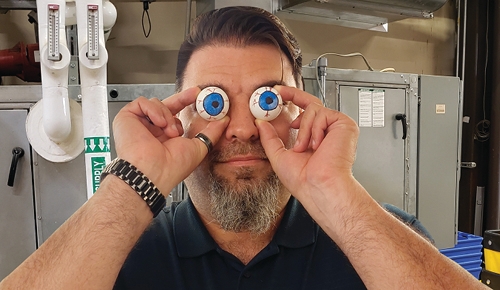
FROM SAFETY TRAINING…
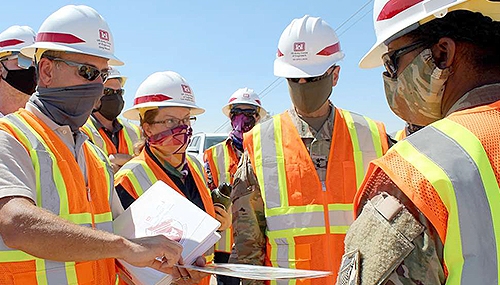
“I walk around the facility carrying ping pong balls with eyes on them. Whenever workers aren’t wearing their safety glasses – I give them an “eye” as a friendly reminder to put on their gear. It’s a fun way to enforce safety.”
— Nathan, Safety Manager, Manufacturing & IT
...TO SELECTING PPE…
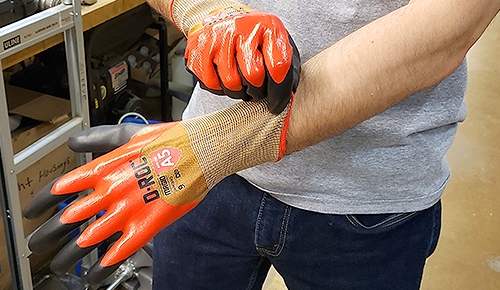
“Consider consolidating. We had too many gloves for workers to choose from and folks were wearing the wrong glove for some applications. We solved the problem by limiting the number of styles. We started with a higher base cut level, cut A4 instead of A2, to ensure that even if workers are wearing the wrong glove, they’ve still got enough protection on for any application in the facility.”
— Mark, Safety Manager, Metal
...TO WORKFORCE ENGAGEMENT!
“We encourage our workers to take their PPE home with them so they can implement their safety training outside of work…We had an employee who experienced a laceration incident at home. He was wearing his PPE when it happened and it saved him from what would have been a severed finger…That experience helped reinforce for him the importance of the proper safety equipment…”
— Jason, Safety Manager, Manufacturing & IT
Do you have a tip or safety hack that’s helped you over the years? Share it below and it may end up on our Safety Managers’ Secrets page! We share all secrets anonymously with just first name, title, and industry (unless you’d like the kudos)…in which case we’ll be happy to credit you!
PPE: Choosing & Using
See All
The TRX983: An Evolution in ANSI Level 3 Impact Gloves
Magid engineered an evolution in impact protection that gives you solid protection and unmatched flexibility and comfort with 9 times the airflow of other ANSI Level 3 impact gloves!
Read More
By John Heniff, Safety Writer, Magid
Level 3 impact resistant gloves give your team the highest protection from heavy impacts and hazards that can cause crush, pinch, and caught-between injuries. But higher levels of impact protection tend to come at the expense of comfort. So Magid developed a breakthrough in high impact resistance with a one-of-a-kind impact defense system and design that can give your workers the highest degree of protection with unheard of levels of flexibility and comfort.
WHAT DOES IT MEAN WHEN A GLOVE ACHIEVES LEVEL 3 IMPACT RESISTANCE?
The ANSI/ISEA 138 Impact Glove standard test calculates the average amount of force a falling object delivers through a glove. After measuring how much force travels through to the hand, knuckle, fingers, and thumb, the lowest mean score determines the glove’s overall rating of Level 1, 2, or 3.
- Level 1 ratings allow an average of nine or less kilonewtons (kN) of force and can provide protection from minor bumps and bruise-causing hazards
- Level 2 ratings allow an average of 6.5 kN of force or less for more serious hazards
- Level 3 ratings allow an average of 4 or less kN for protection from the most serious impacts
To achieve impact resistance, safety manufacturers use an elastic polymer like Thermoplastic Rubber (TPR) on the back of the hand and tops of the fingers.
This polymer offers protection in two ways:
- Its thickness creates more distance between the impact and the worker’s hand.
- Its elasticity absorbs the impact by smashing or “giving” a bit.
In order to get to Level 3, it’s usually necessary to thicken traditional TPR designs, resulting in a stiffer, heavier glove that can trap heat and moisture on the hands. And while that provides workers the protection they need, it significantly contributes to hand fatigue and soreness by the end of the workday and can even make the job more difficult to do. To solve this problem, Magid engineered an incredible advancement in impact protection that gives you both solid protection and unmatched flexibility and comfort!
A REIMAGINED IMPACT LEVEL 3 TPR DESIGN FOR UNMATCHED COMFORT & FLEXIBILITY

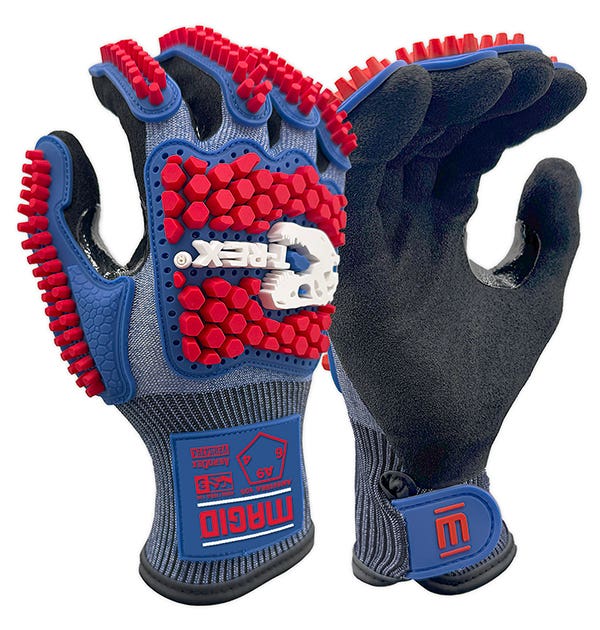
The standard TPR flex-point design that lends flexibility to Level 1 and Level 2 impact gloves tends to be too stiff for comfort in the polymer thickness required for Level 3 impact protection. So Magid created the patented M-Power Defense System™ that’s designed in a honeycomb pattern to provide thicker deflection points, with space to flex between, giving workers more dexterity and reducing hand fatigue compared to other Level 3 impact gloves. This groundbreaking design provides heavy-duty back-of-hand impact protection while allowing workers more natural hand movement for maximum flexibility.

The M-Power Defense System design also includes an integrated TPR ventilation system between the honeycomb deflection points that allows up to nine times more airflow than a standard impact glove to keep your workers’ hands cooler, drier, and more comfortable.
This innovative design is found on the TRX983, Magid’s latest step in the evolution of comfortable ANSI Impact Level 3 gloves. The TRX983 uses Magid’s lightweight AeroDex® shell, which provides ANSI Level A9 cut resistance in a material that’s 50 percent lighter than similar gloves of the same cut level. The glove also includes Magid’s VersaTek® palm coating, which provides an amplified grip that can adapt to nearly any work environment. Together, these benefits create a glove with a unique trifecta of protection, comfort, and adaptability.
LEARN MORE ABOUT THESE REVOLUTIONARY GLOVES!

How to Get Your Money’s Worth on Your Next PPE Order
It can be tempting to purchase a less expensive PPE option instead of the latest innovation. But new technologies and products from Magid have multiple benefits that can make these innovations the better investment for you and your workers.
Read More
By John Heniff, Safety Writer, Magid
Everyday, you hear about Magid’s new PPE innovations online, in trade magazines, and from fellow safety managers. The innovations sound great, but how do they stand out from more affordable PPE options? It can be tempting to go with a budget-friendly choice that still gives your workers the necessary protection. But innovative technologies and products have multiple benefits, some that may even go above and beyond what’s promised!
CALCULATE THE COST BENEFIT OF NEW TECHNOLOGY
By definition, innovative PPE is designed with improved materials. So in addition to providing the main benefit of better grip, lighter protection, etc., it can be significantly more durable and cost-effective than traditional options. Although you might be paying a bit more up front for something new, if the items last longer than an economy alternative, you can end up saving on total cost AND getting better protection and comfort. Let’s say you had to buy a new ladder for your home and you’re looking at a less expensive one that’s made from wood and another pricier version that’s made from fiberglass or aluminum. The wooden ladder will work great for quick projects around the house. But if you’re planning on using the ladder more frequently, the tougher material will be the better investment.

Magid’s VersaTek™ adaptive palm coating is a great example of a new technology in grip that has the added benefit of incredible durability. VersaTek’s coating is designed with special stabilizers that amplify your workers’ grip on objects that are wet, dry, oily, or rough. In addition to this intelligent grip that can adapt to different tasks and work environments, VersaTek also surpassed 20,000 revolutions in abrasion testing — greatly exceeding the baseline to achieve a Level 6 abrasion resistance rating.
This durability helps the glove last longer for lower total cost of ownership in the long run. Read the table below comparing an example of an innovative glove and an economy-style glove. This comparison was based on a real Magid innovation vs. a real competitor glove with 300 employees in a manufacturing facility working 40 hours a week for a year. Even though the innovative glove is almost three times more expensive on a pair-by-pair price, its wear time was over 15x longer, which saved $324,480 annually.
| Economy Glove | Innovative Magid Glove | |
|---|---|---|
| Cost per Pair | $2.61/pair | $7.75/pair |
| Wear Time on the Job | 4.1 hours | 63.87 hours |
| Cost per Hour | 64 cents | 12 cents |
| Annual Cost Total* | $399,360 | $74,880 |
*Based on 300 employees working 40 hours for 52 weeks.
81% BETTER SAFETY VALUE!
It’s worth noting that lower-quality gloves might also cost you in unexpected ways like more injuries that not only affect your workers and morale, but also add costs like workers’ compensation and other expenses.
BOOST YOUR ENVIRONMENTAL SUSTAINABILITY
If your economy work gloves aren’t lasting through the shift and workers are discarding their gloves a few times a day, or even just at the end of the workday, your glove usage numbers start to add up at the end of the week, month, and year. We’re all looking for ways to improve environmental sustainability, or limit excessive PPE changeover. PPE innovations made with quality materials can give workers a better experience and more protection while providing longer wear-life and service time than economy models.
MAKE MORE EFFICIENT WORK GLOVE CHOICES
Most work gloves are made for a particular environment, so work done in a completely dry environment or jobs that don’t require workers to handle both wet parts and oily parts can generally get by with one type of glove or glove coating. But for workers who switch between different environments within their shift, using a single glove style and coating specific to one or two environments will make them less efficient and may even tempt them to remove their gloves to perform some tasks, putting them at risk of injury.
Here too, new technologies like VersaTek™ – made with special stabilizers to enhance performance – keep multi-environment workers at maximum efficiency and safety because they can assemble small parts, pick up oily and slick items, and handle rough and heavy materials easily in the same glove. No need for your workers to change their gloves to fit the task!
ADD IT UP COMFORT + COMPLIANCE = SAFER WORKERS
When your workers’ PPE feels comfortable, they’ll wear it with no complaints. But when it doesn’t feel comfortable, they might take it off to provide relief, even if it puts their hands in danger during their shift. Old glove models were often made with materials that made workers’ hands itchy, sweaty, and hot, making them uncomfortable and negatively affecting their job performance. One study even reported over 70% of hand injuries occurred because workers were not wearing their gloves.

Magid’s innovative AeroDex® technology keeps worker comfort in mind while meeting the highest ANSI cut protection standards. AeroDex gloves are over 50% lighter than similar gloves with equal cut protection and are available up to ANSI Cut Level A9. Along with this noticeable lightness in weight, AeroDex shells are breathable and can make your employees’ skin feel cooler as they wear them.

Similarly, Magid’s lightweight, coreless, cut-resistant DX+ Technology is 30% lighter than similar HPPE, doesn’t irritate your workers’ skin, and feels cool to the touch — all while providing cut-resistance up to ANSI Cut Level A6. Coreless technology means the glove yarn has been infused with strength-enhancing microparticles, which achieve higher cut-resistance levels without becoming uncomfortable or irritating to wear.

Cut-resistant shells aren’t the only glove category that has been redesigned with comfortable innovations. Magid’s T-REX® Windstorm Series® impact gloves are designed with an integrated CoolMesh® venting system that enhances airflow up to 60% and helps dissipate heat. These gloves also have Magid's M-Flex Defense System®, which is designed with 130 integrated flex points so workers can flex their hands comfortably.

New impact gloves feature Magid’s M-Power Defense System™, which is designed in a honeycomb pattern for thicker deflection points as well as space in-between for dexterity. This design, rated for Level 3 Impact Protection, also has an integrated ventilation system for up to nine times more airflow to keep hands cooler, drier, and comfortable.
ANALYZE YOUR PPE USAGE (WITH AN EXPERT OR BY YOURSELF)
Before making a decision, it can be helpful to gather information about your jobsite’s PPE purchasing and use data. This can include:
- Calculating your most recent PPE spend figures
- Looking through your invoice history for costs, style numbers, sizes, and number of quantities ordered
- Reviewing how long your workers’ PPE tends to last on average (whether by hour, shift, or day)
Once you have gathered all your data, you can get started finding the best solution for your workers. If you think you might need help in the process, consider inviting a professional safety expert to perform a safety assessment analysis on your jobsite. Professional safety experts can analyze and assess the data from your PPE spend and your employees’ PPE usage to help you determine what PPE will work best for your team, your facilities, and your budget.
Get your money’s worth with the latest innovations!

21-Gauge Work Gloves and Arm Sleeves Just Got Even Better
Get ready for the thinnest and most comfortable 21-gauge gloves and sleeves on the market to keep your workers protected from cuts and lacerations without getting in the way of the job. It’s a revolutionary new technology that we like to call “Thinnovation” — Magid’s 21G!
Read More
By John Heniff, Safety Writer, Magid
Get ready for the thinnest and most comfortable 21-gauge gloves and sleeves on the market! Magid's 21G is a revolutionary new technology that's so thin and comfortable, we call it "Thinnovation." And it will keep your workers protected from cuts and lacerations without getting in the way of the job.

State of the Art Design
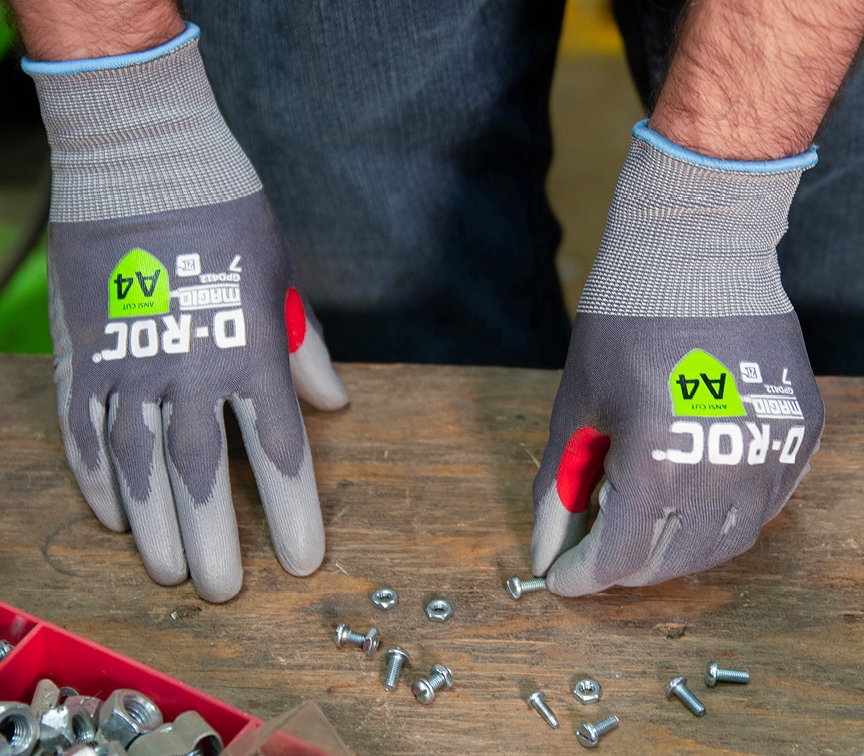
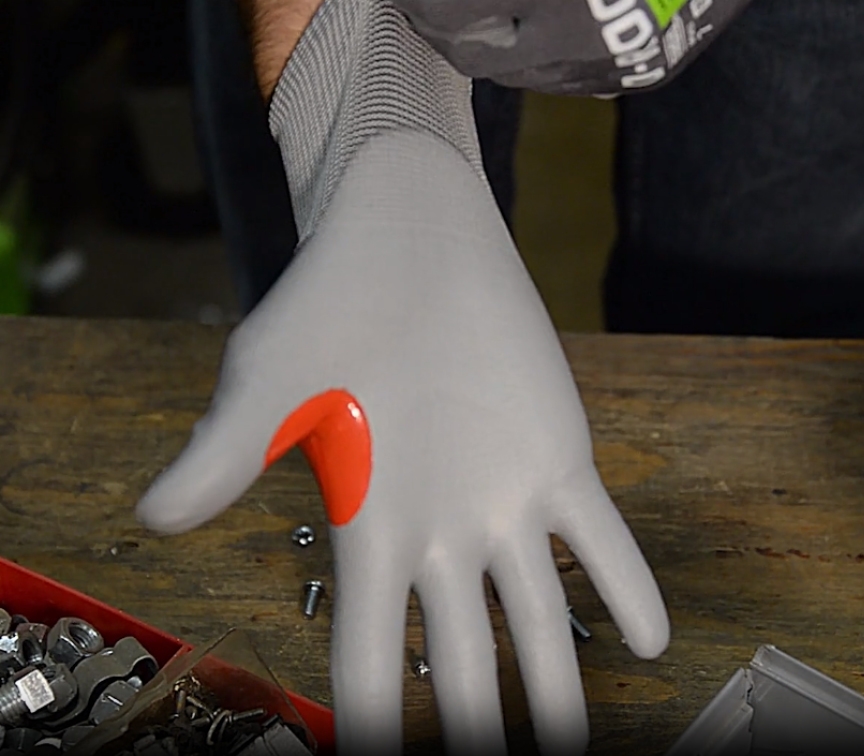
21G is made with Magid’s revolutionary new knitting technology, using a specially engineered fiber blend in an ultra-thin, 21-gauge construction. This combination provides lightweight strength and ANSI Level A4 to A6 cut resistance for the thinnest cut-resistant gloves and sleeves on the market.
 |
 |
Unparalleled Dexterity & Tactile Sensitivity
When you put it on, you feel the difference.
21G sleeves are incredibly thin, light, and comfortable while still providing ANSI A6 cut protection. A four-way bicep elastic ensures a snug fit and the thumb slot and thin fiber palm eliminate bulk at the wrist and base of the hand.
21G gloves are so thin and comfortable, it feels like working bare-handed, and the incredible dexterity won’t cause hand fatigue. Workers who have tried them say 21G also provides tactile sensitivity that feels as thin as a disposable glove at the fingertips, with a choice of palm coatings for reliable grip. The gloves are also touchscreen compatible, so your team won’t need to take them off to operate electronics.
Total Worker Compliance
21G makes handling small parts a breeze, so it’s perfect for jobs that require intricate work and high dexterity. This glove is also ideal for tasks like material handling, assembly line work, mechanical repairs, electrical contracting, or shipping & receiving. Give your workers an extra level of comfort and cut resistance that will keep them safer, happier, and more productive — with fewer recordables and compliance headaches for you.
Which innovation is right for you?
Polyurethane Palm – General Purpose

Foam Nitrile Palm – General Purpose

Polyurethane Palm – ANSI Cut Level A2

Polyurethane Palm – ANSI Cut Level A4
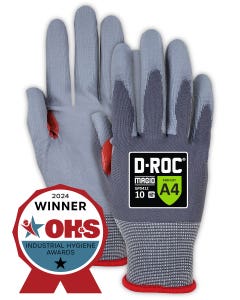
Foam Nitrile Palm – ANSI Cut Level A4

Impact Glove – ANSI Cut Level A5

ANSI Cut Level A4

ANSI Cut Level A6

READY TO EXPERIENCE THE THINNEST AND MOST COMFORTABLE 21-GAUGE GLOVES AND SLEEVES?

Construction PPE Guide: What Crews Need for Each Task
This construction PPE guide shows you what gear each task requires and when to replace worn items. Improve safety and compliance across your site. Learn more.
Read More
Safety Managers' Secrets
See All
Give a Safety Pop Quiz
I like to give my workers random safety pop quizzes for a prize. For example, I’ll ask if anyone can recite at least five of our ten safety protocols. If they can, they get a t-shirt.
Read More
Shared By Ralph, Safety Manager, Manufacturing & IT
I like to give my workers random safety pop quizzes for a prize. For example, I’ll ask if anyone can recite at least five of our ten safety protocols. If they can, they get a t-shirt.

Emphasize The Ripple Effect
When talking about safety, I make sure my people know, if you get injured, it’s not just you that suffers, it’s 120 families. An injury means an OSHA recordable. That means our OSHA Incident Rate goes up and that might mean we can’t have our company picnic or I can’t give promotions. So when you think about picking up that heavy box by yourself, think of everyone else!
Read More
Shared By Ed, Safety Manager, Oil & Gas
When talking about safety, I make sure my people know, if you get injured, it’s not just you that suffers, it’s 120 families. An injury means an OSHA recordable. That means our OSHA Incident Rate goes up and that might mean we can’t have our company picnic or I can’t give promotions. So when you think about picking up that heavy box by yourself, think of everyone else!
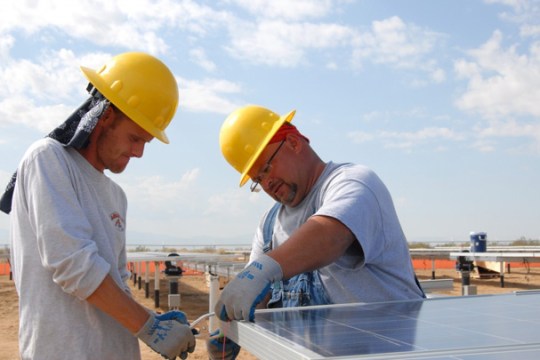
Assign New Workers A Mentor
We put our new hires through workshops, lectures, online training courses, and other traditional forms of training, but once they complete that, they are assigned a mentor from our safety team. The mentor is responsible for showing them how to apply the training that they just completed and guide them through their first project. By implementing this program we’ve eliminated 1.5 to 2 million dollars a year in unnecessary wait time for redoing work.
Read More
Shared By Kevin, Safety Manager, Oil & Gas
We put our new hires through workshops, lectures, online training courses, and other traditional forms of training, but once they complete that, they are assigned a mentor from our safety team. The mentor is responsible for showing them how to apply the training that they just completed and guide them through their first project. By implementing this program we’ve eliminated 1.5 to 2 million dollars a year in unnecessary wait time for redoing work.

A Little Teasing Can Save a Worker's Hearing
When I see people not wearing their hearing protection, I walk up to them and start “talking,” but I don’t make any sound. It’s a friendly reminder of what they might experience if they damage their ears!
Read More
Shared By Sean, Safety Manager, Manufacturing & IT
When I see people not wearing their hearing protection, I walk up to them and start “talking” but I don’t make any sound. It’s a friendly reminder of what they might experience if they damage their ears!